
Why Play Stardew Valley in 2026?
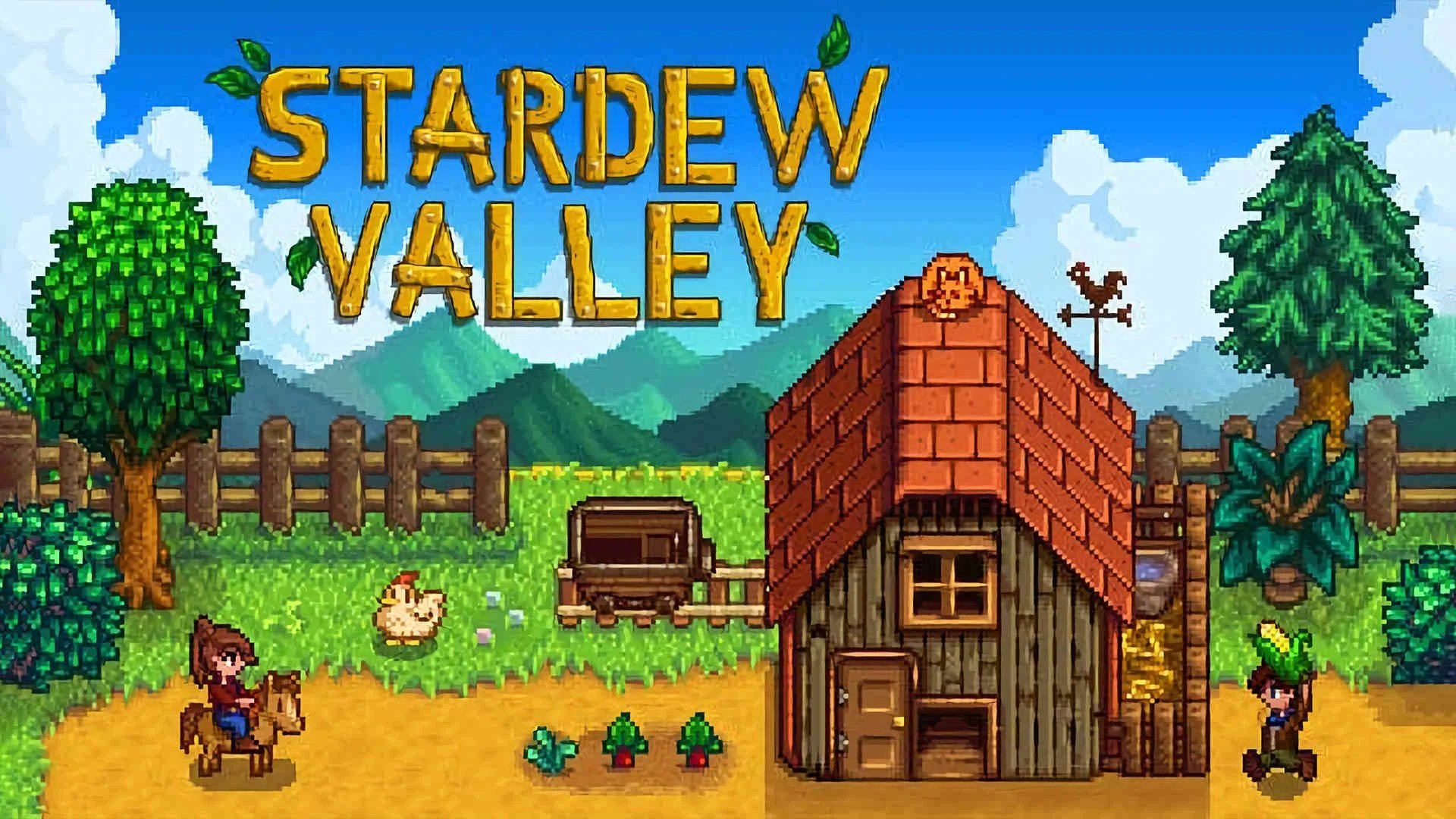
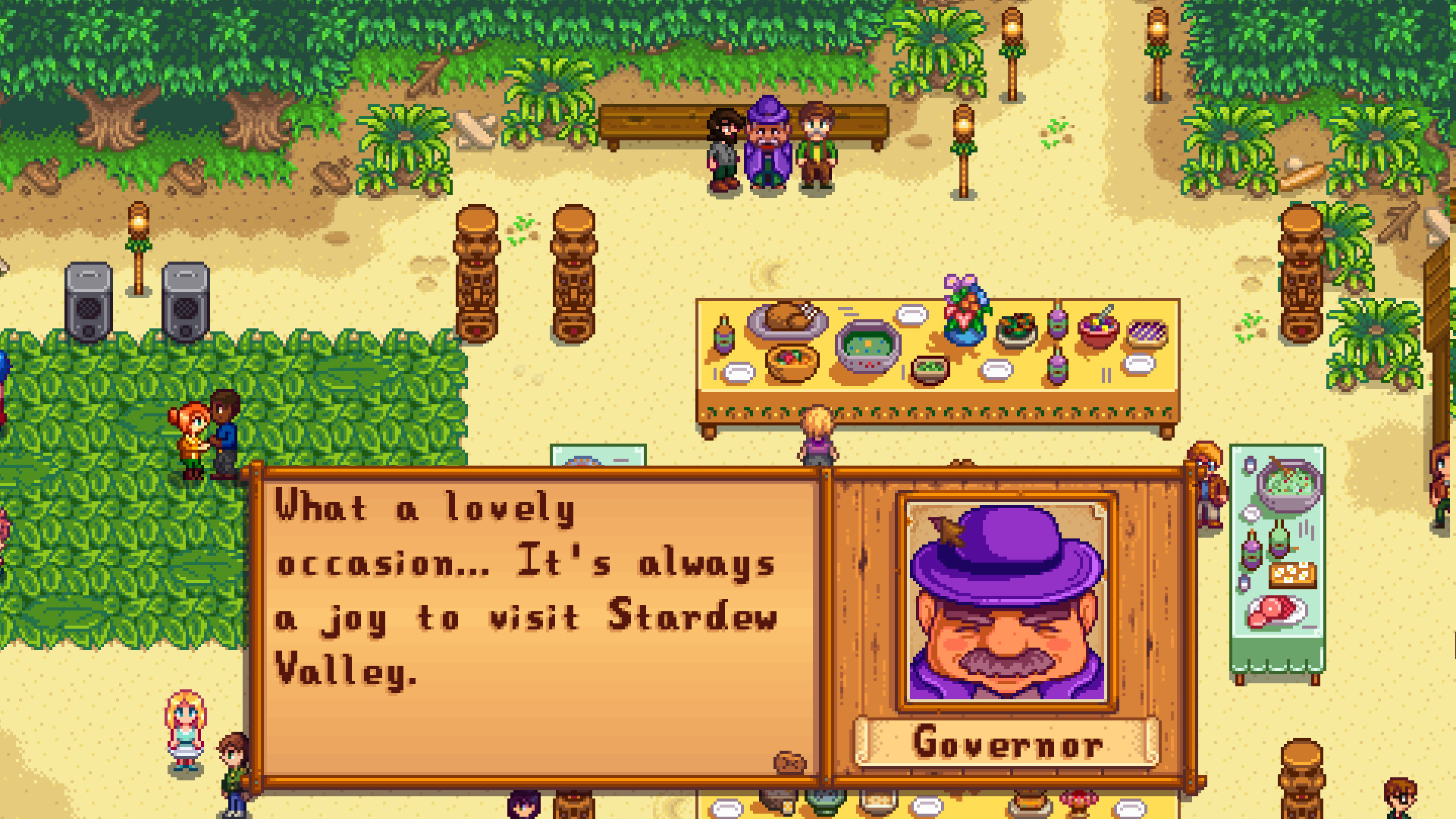
Stardew Valley remains one of the most beloved indie games in 2026, thanks to ongoing updates, mod support, and a passionate community. Whether you’re playing for the first time or returning after years away, Stardew Valley offers a relaxing yet surprisingly deep farming and life-simulation experience.
Choosing the Right Farm as a Beginner ?
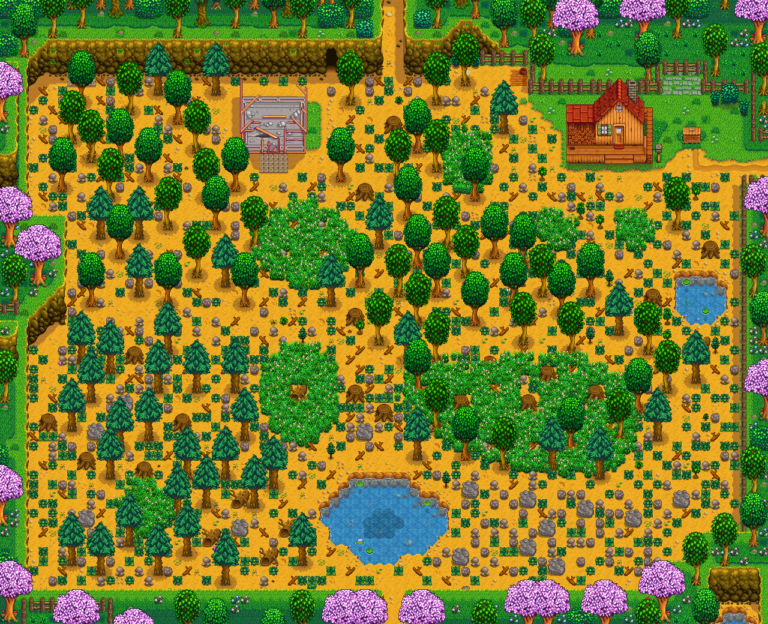
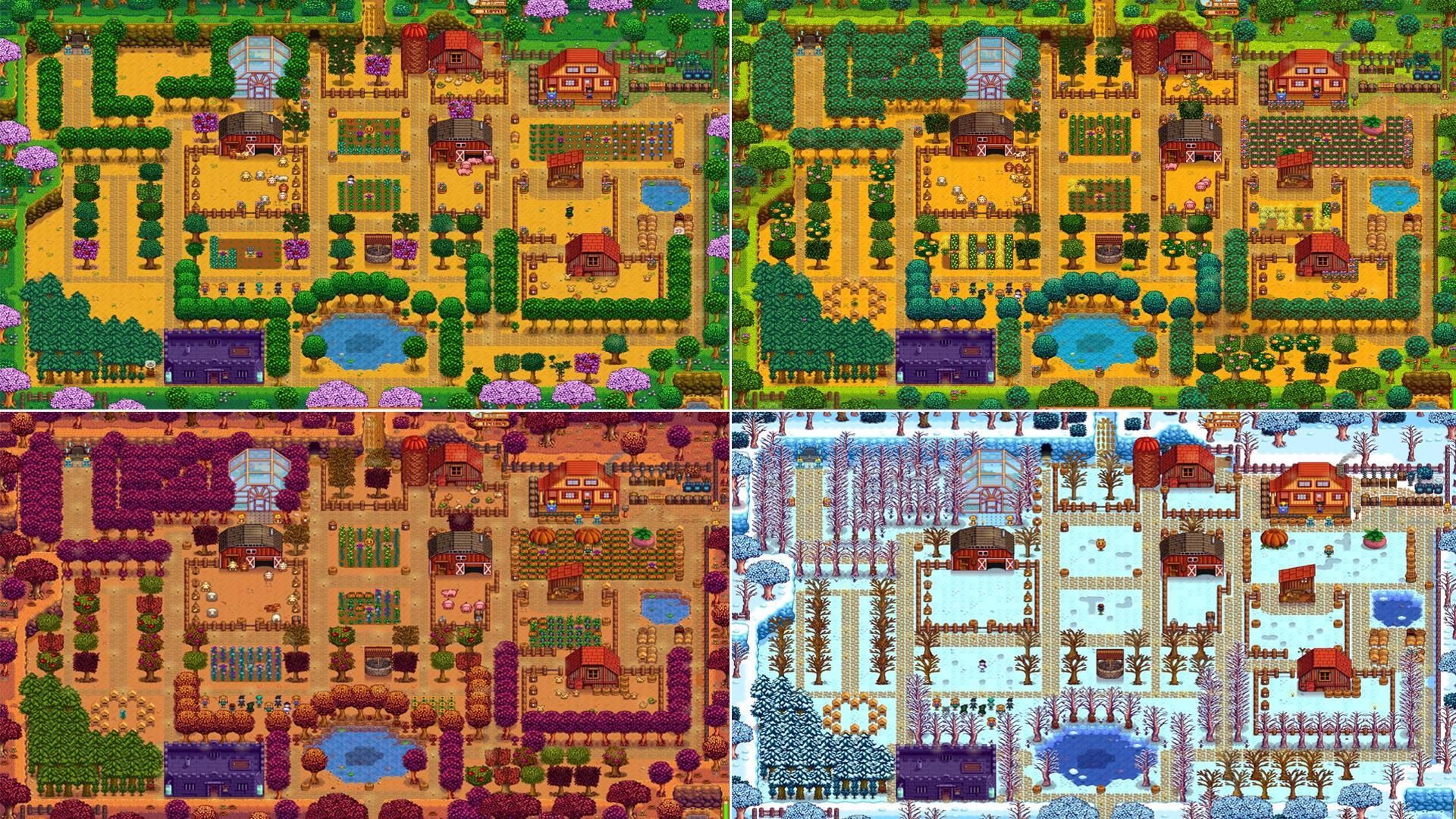
When you start Stardew Valley, choosing a farm layout is one of the most important early decisions you will make. Each of the 8 farms offers different typers of advantages and playstyle focuses, but not all of them are ideal for beginners. For this guild we are going to focus on the Standard Farm.
The Standard Farm is the most beginner-friendly option in Stardew Valley because it provides a simple, open layout with no special restrictions or added mechanics. New players can easily learn core systems like planting crops, placing buildings, raising animals, and using sprinklers without worrying about limited space or unique challenges. This freedom allows beginners to experiment, make mistakes, and adjust their farm over time, making the overall experience more forgiving and enjoyable while learning the game.
Start Working on Your Farm
Once you arrive in Pelican Town, it’s time to begin working on your farm and shaping it into something truly yours.
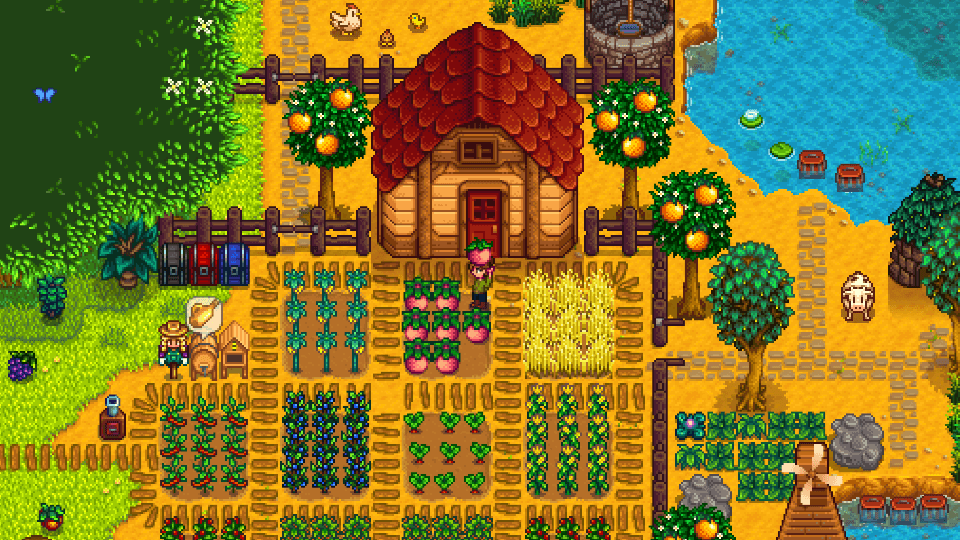
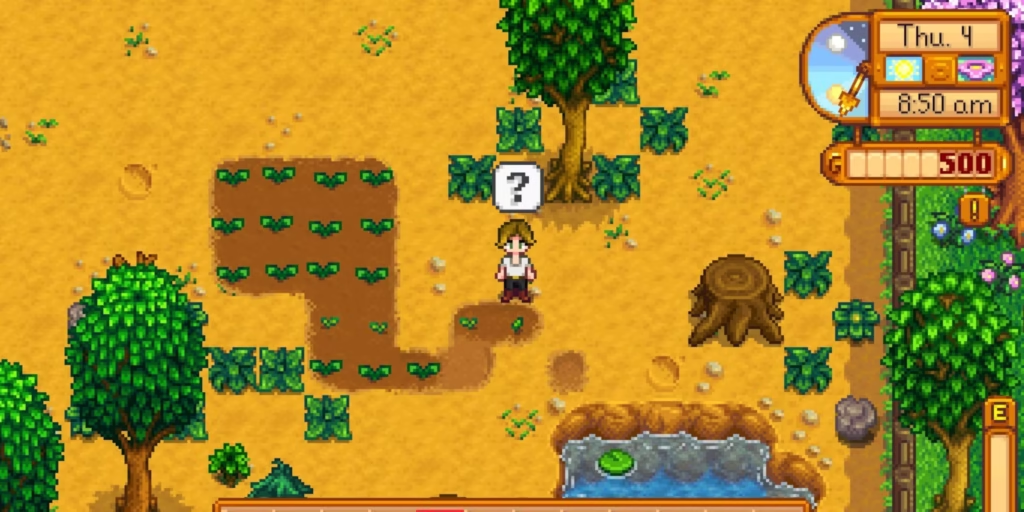
At the farm, you’ll find overgrown land filled with rocks, weeds, and fallen trees. Don’t feel pressured to clear everything at once. Start by creating a small area for planting crops near your house, as this will help you manage your energy and time more efficiently. Focus on planting your first seeds and watering them daily. Taking things slowly and setting small daily goals will help you build confidence and create steady progress for the seasons ahead.
There are four seasons in Stardew Valley, but only three are used for outdoor farming. For these farming seasons, beginners are advised to plant potatoes in spring, as they have a chance to yield extra crops. In summer, blueberries are a strong choice due to their repeated harvests and reliable profits. In fall, cranberries offer excellent returns and help maintain a consistent income. To grow crops during the winter season, you will need access to a greenhouse. Also, crafting treasure chests is essential for managing resources and keeping your inventory organized.
The Mailbox keeps players informed about events, rewards, and story progression. Players receive letters from villagers, quest updates, and gifts through the mail. Checking the mailbox daily ensures players never miss important information or free items, making it a simple but essential part of daily gameplay.
Stardew Valley Calendar
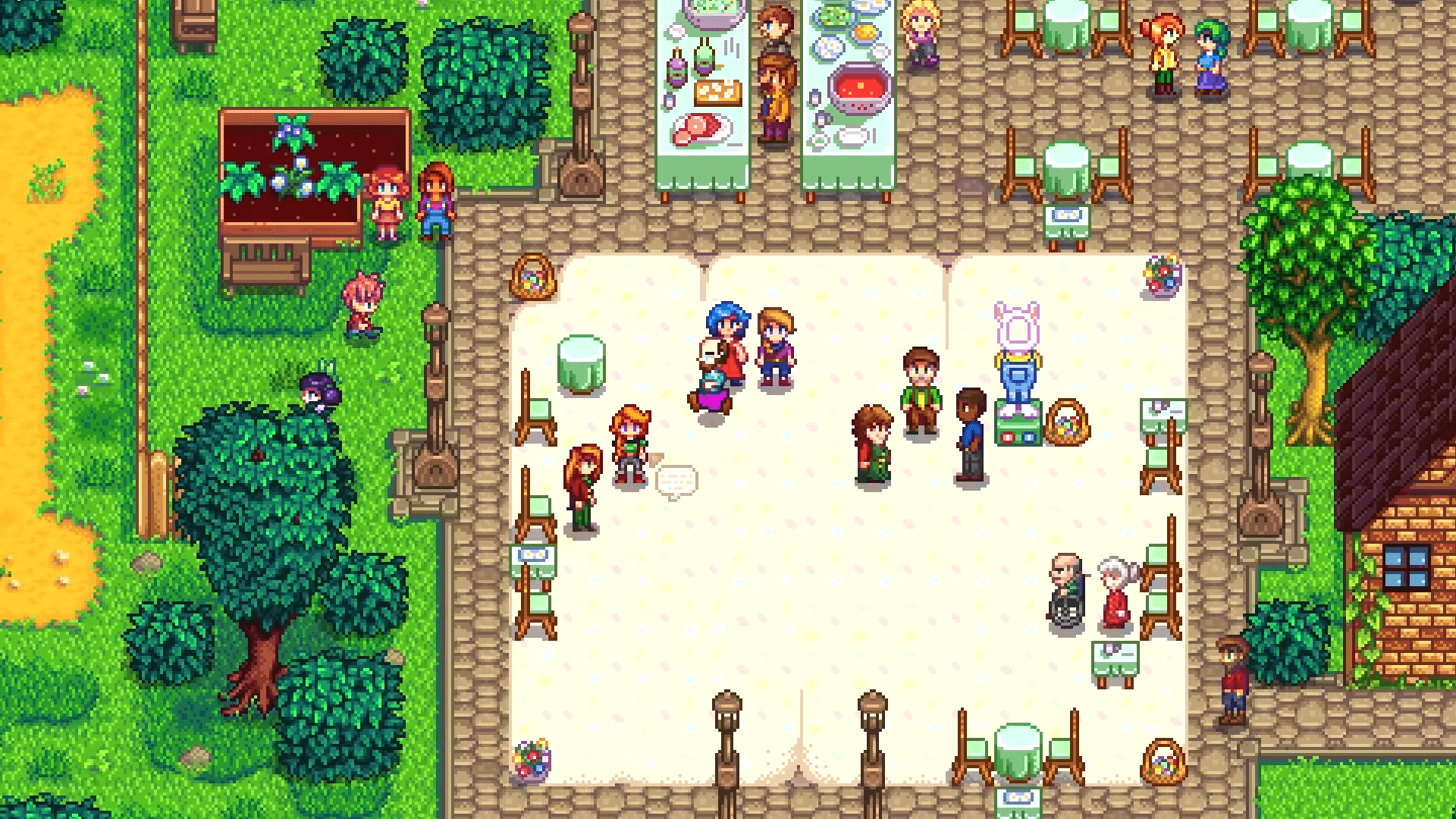
The Stardew Valley Calendar helps players keep track of seasons, festivals, and villagers’ birthdays throughout the year. Each season lasts 28 days, and checking the calendar regularly allows you to plan farming, prepare for events, and build relationships more efficiently. For beginners, it’s an essential tool that prevents missed opportunities and makes time management in Pelican Town much easier.
Stardew Valley Inventory Overview
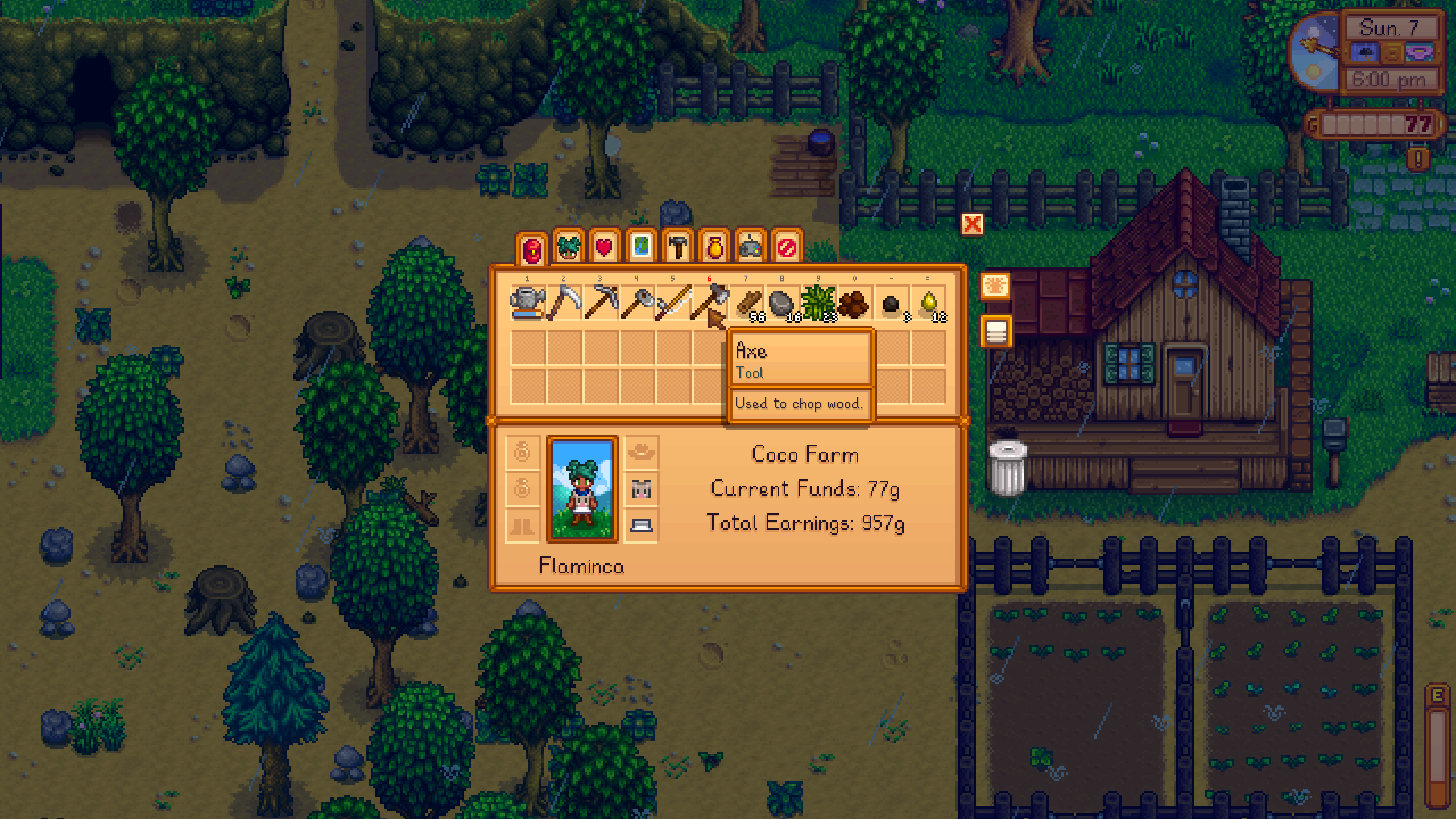
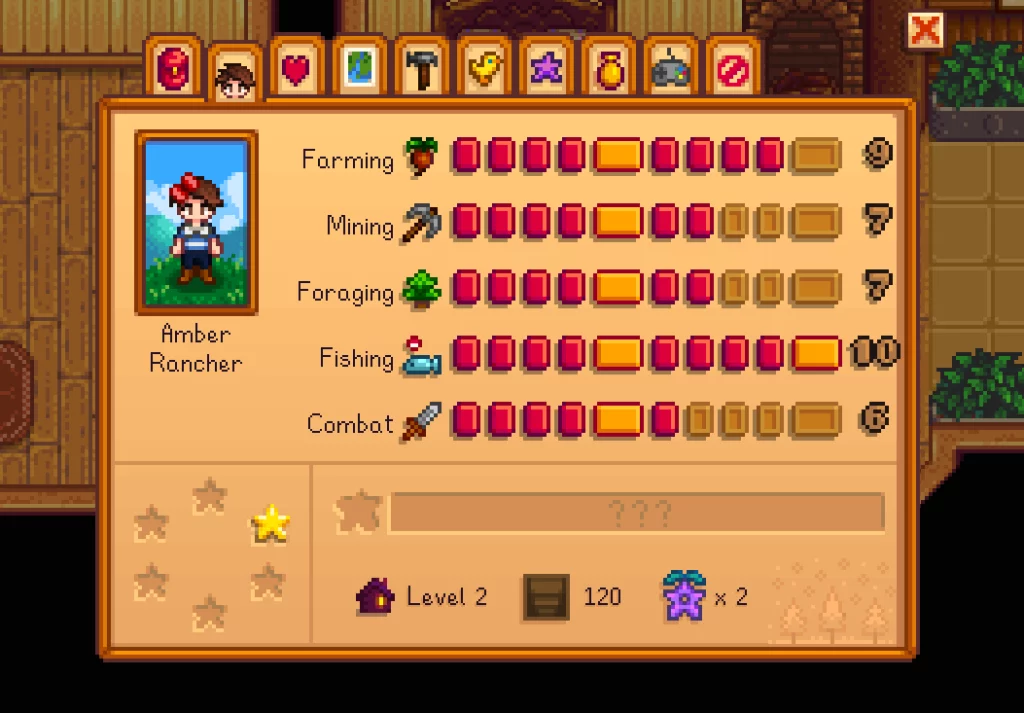
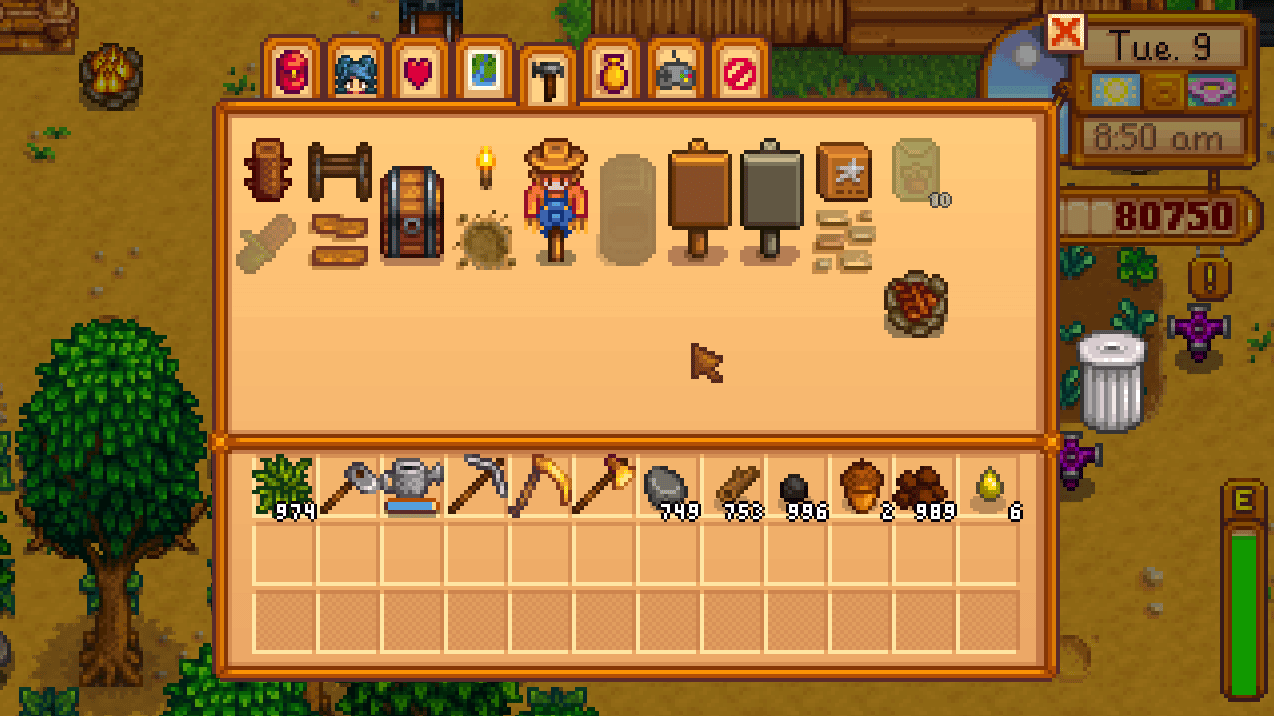
The inventory is the central hub for managing items, tools, and gameplay systems. It is divided into several tabs to help organize your farm life and progress efficiently:
-
The Backpack stores all collected items, crops, tools, and resources. Upgrading it early at Pierre’s General Store is essential for carrying more items while farming, fishing, mining, or exploring.
-
The Skills tab tracks progress in farming, fishing, foraging, combat, and mining, unlocking perks that improve efficiency.
-
The Social tab shows friendship levels, birthdays, and event notes, helping players manage relationships that unlock gifts, marriage, and quests.
-
The Map displays all major locations for navigation and daily planning.
-
The Crafting tab lists items you can craft, including tools, machines, and buildings, showing required materials.
-
The Animals tab tracks livestock health, happiness, and production.
-
The Special Items tab stores rare or quest-specific items that cannot be sold or used in crafting.
-
The Collection tab records discovered fish, minerals, artifacts, and recipes, helping track progress toward Community Center bundles and achievements.
-
The Game Settings tab allows you to adjust audio, controls, and preferences.
-
The Save option ensures progress is secure, complementing the daily autosave.
two main storylines
In Stardew Valley, new players must choose between two main storylines: supporting the Community Center or joining JojaMart. The Community Center path is ideal for beginners because it provides clear goals through completing bundles of crops, fish, forage, and other items. This path encourages exploration, farming, and interacting with villagers while gradually restoring the valley, unlocking new areas, upgrades, and useful features. It’s rewarding and teaches all the game’s core mechanics in a natural, engaging way.
The JojaMart path is faster and more convenient, allowing players to pay fees to complete valley improvements without gathering items for bundles. This path reduces the need for exploration and resource collection, making progress quicker, but it sacrifices story depth, immersion, and some rewards tied to villager interactions.
For beginners, following the Community Center path is recommended, as it provides structure, guidance, and a more fulfilling Stardew Valley experience, while JojaMart is an option for players who prefer speed and simplicity.
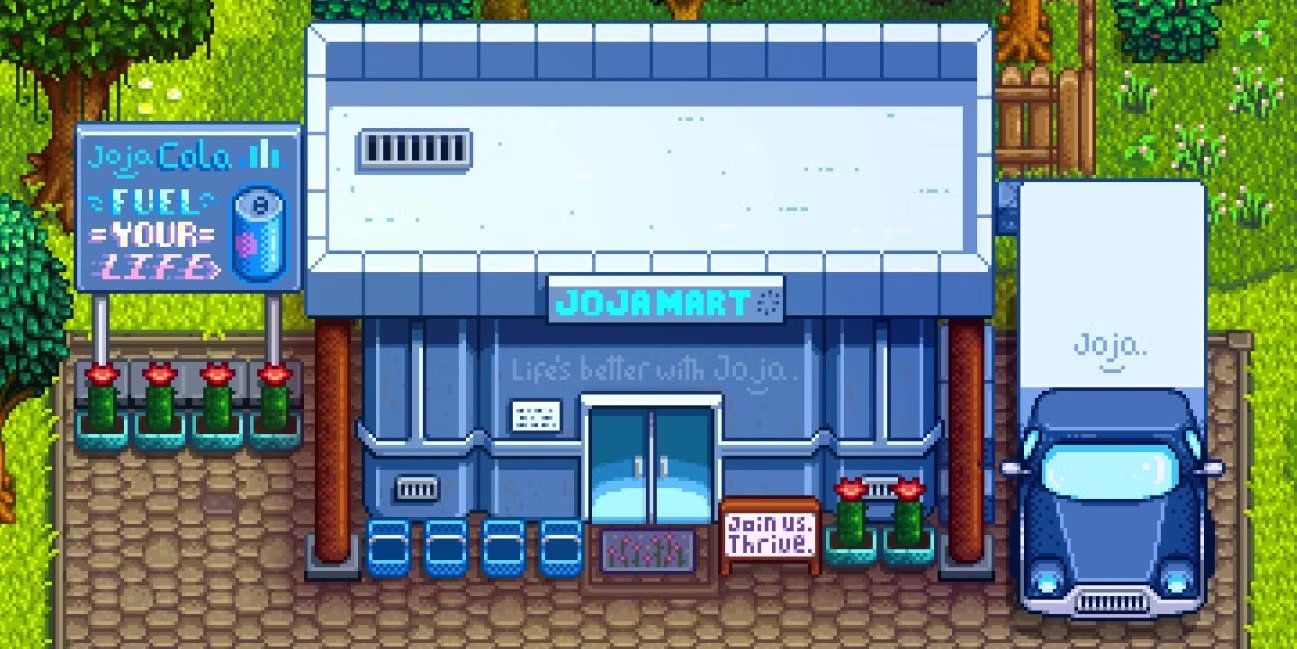
Stardew Valley Main Play
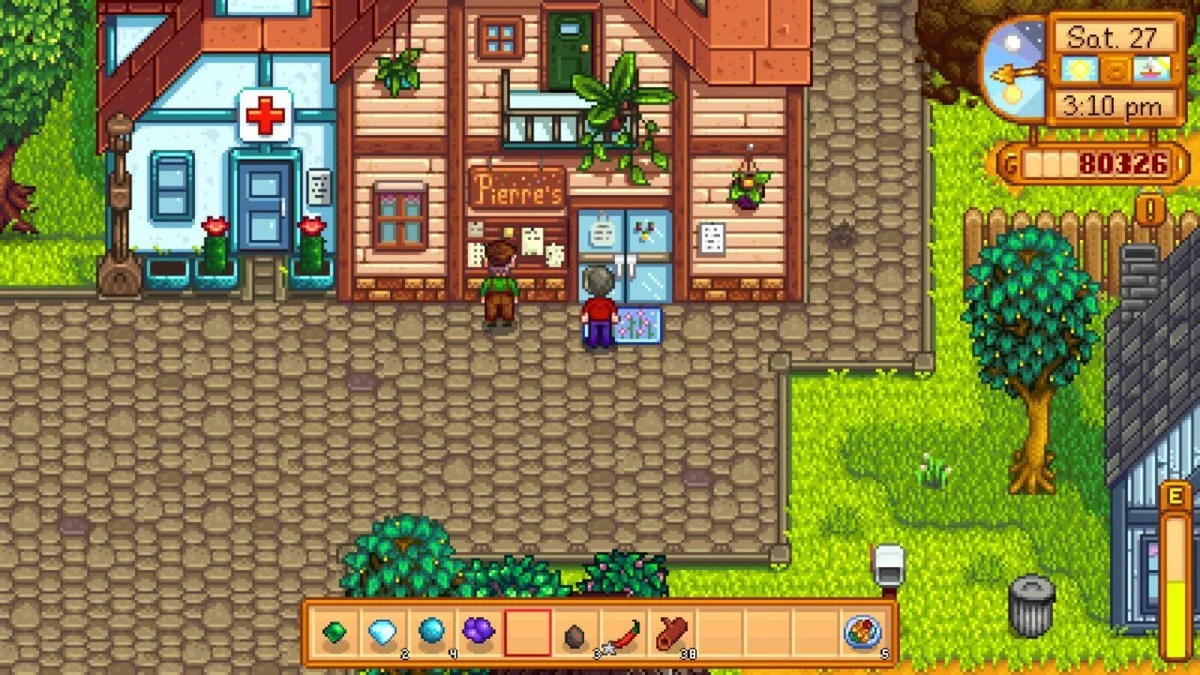
Pierre’s General Store is one of the most important early-game locations because it supplies the essentials that keep your farm running. Players interact with Pierre by purchasing seeds, saplings, backpacks upgrades, and basic items needed for farming and crafting. Selling crops directly to Pierre provides quick income, and checking the store’s stock each season helps players plan what to grow. The main benefit of Pierre’s shop is its reliability, as it is the primary source of seeds and inventory expansion during the early and mid-game.
The Community Center acts as a major progression hub that encourages players to engage with all aspects of Stardew Valley. By completing bundles through farming, fishing, foraging, mining, and combat, players unlock permanent world upgrades such as repaired bridges, minecarts, and access to new areas. Interacting with the Community Center gives beginners clear goals to work toward while rewarding exploration and balanced gameplay.
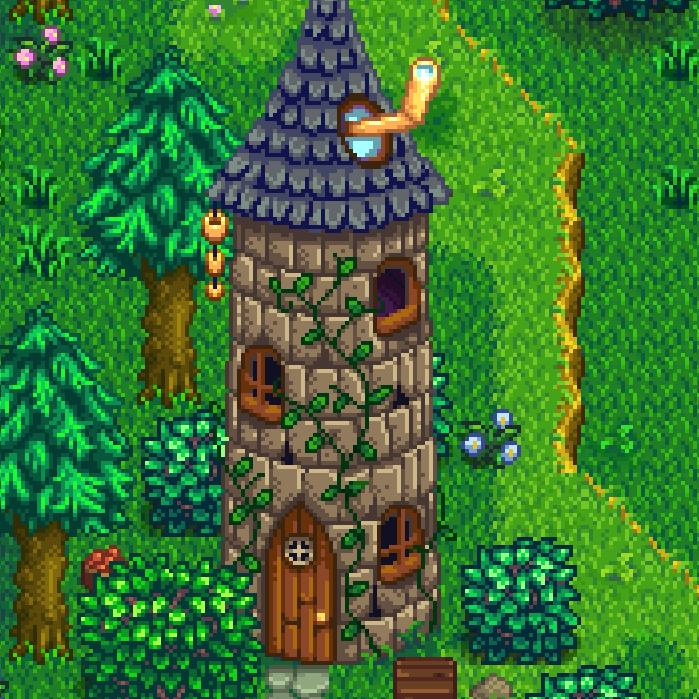
The Wizard’s Tower introduces magical elements and important story progression. Players interact with the Wizard to gain access to the magical language needed for Community Center bundles, unlock new quests, and later access special buildings and abilities. The main benefit of the Wizard’s Tower is unlocking advanced mechanics that expand gameplay beyond basic farming.
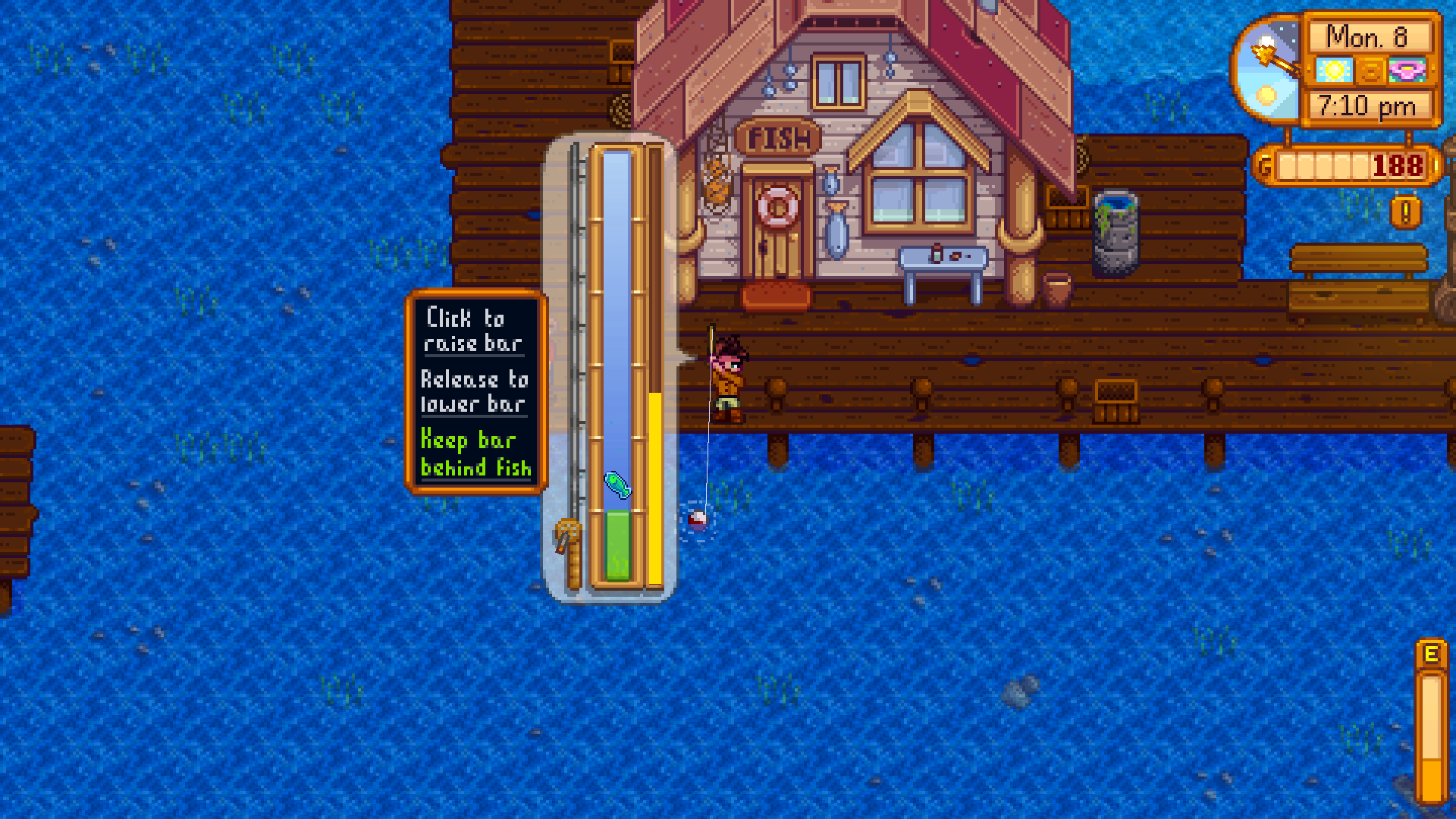
The Beach is a valuable location for fishing, foraging, and early income. Players can catch a wide variety of fish, collect shells and forage items, and participate in seasonal events. Fishing at the beach is one of the easiest ways for beginners to earn gold while waiting for crops to grow, making it a reliable and flexible source of income.
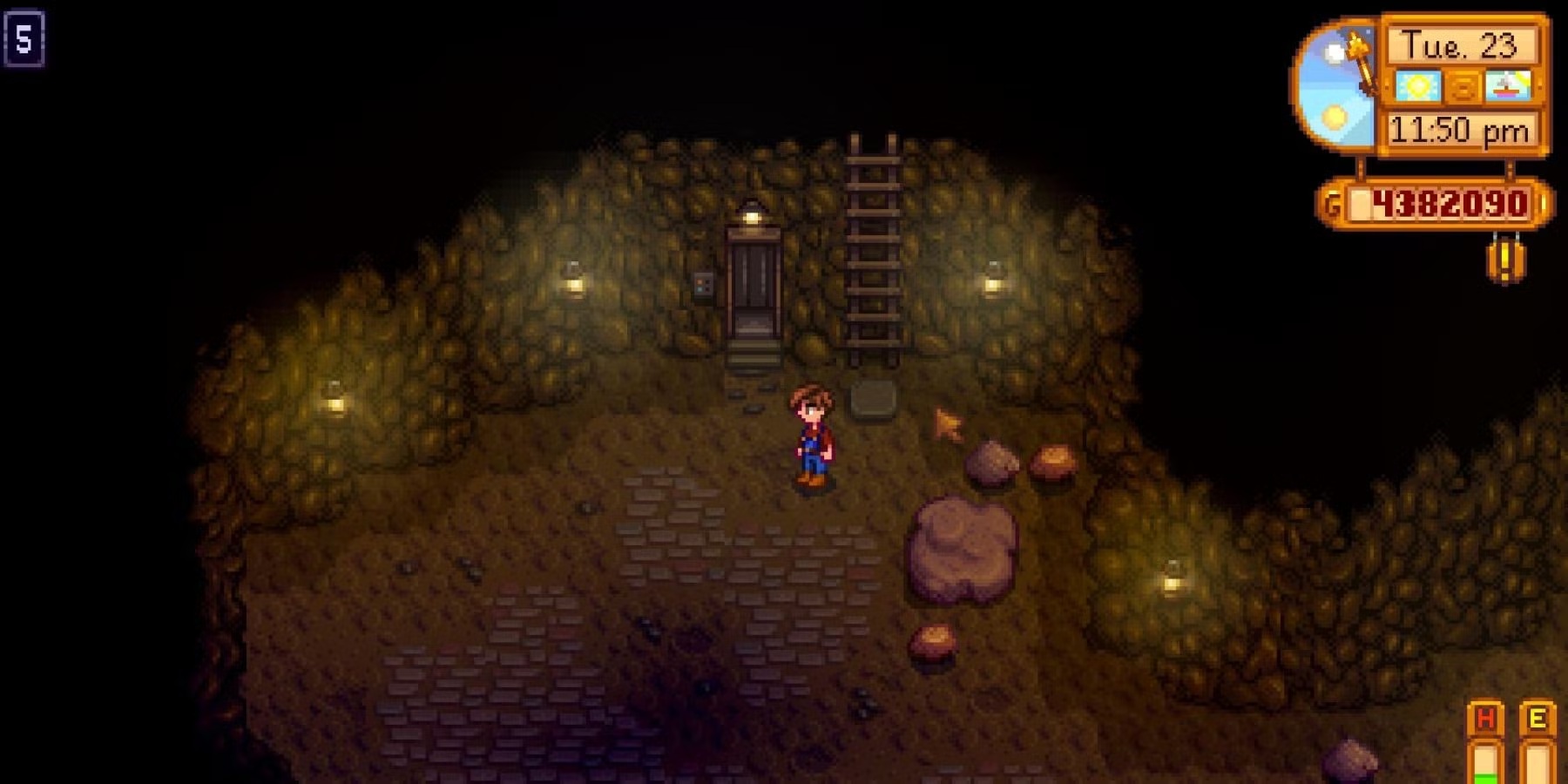
The Mines are essential for gathering ores, gems, and materials needed for progression. Players explore deeper levels to collect copper, iron, gold, and other resources while fighting enemies and finding treasure. The main benefit of the Mines is tool upgrading and crafting, which allows players to work more efficiently on their farm and unlock stronger equipment.
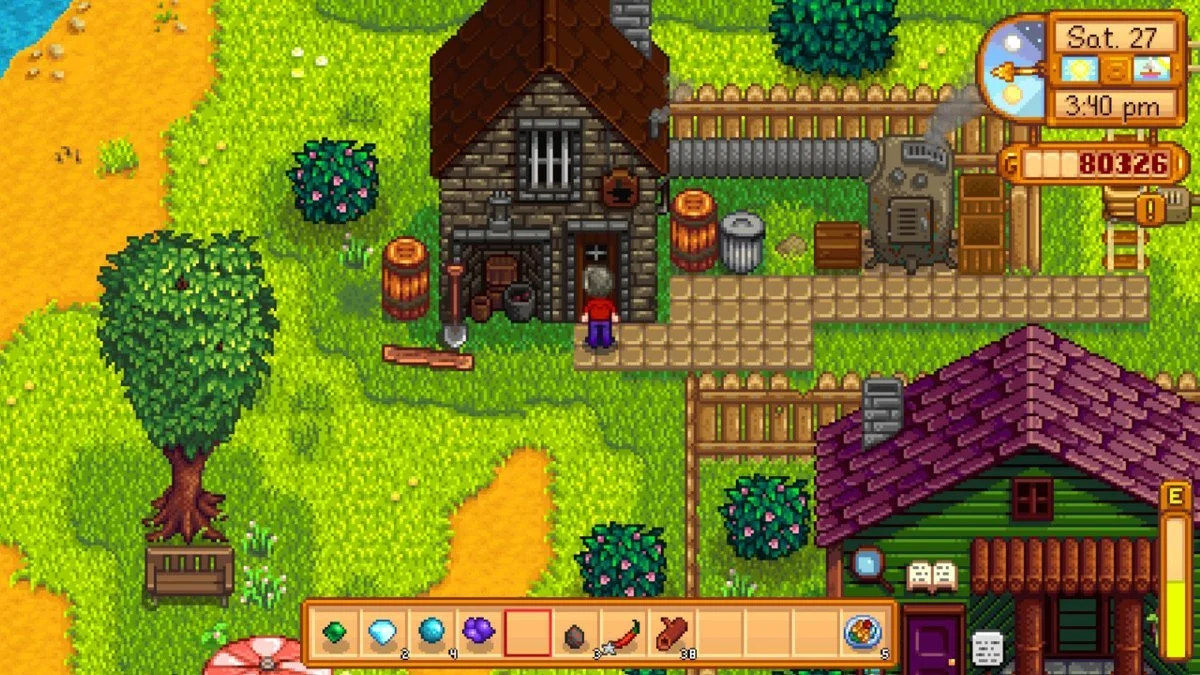
The Blacksmith is where players upgrade tools and process geodes found in the Mines. By interacting with the Blacksmith, players can improve their tools to break tougher materials, use less energy, and work faster. Tool upgrades are one of the most impactful improvements for beginners, making daily tasks far more efficient.
The Library serves as a knowledge hub where players donate artifacts and books to unlock useful information. Interacting with the Library provides tips on gameplay mechanics, lore, and hidden secrets. For beginners, the Library helps explain systems that may not be immediately obvious, making learning the game easier and more rewarding.
The Carpenter’s Shop allows players to expand and customize their farm. Players interact with Robin to construct farm buildings, upgrade their house, and move existing structures. The main benefit of the Carpenter’s Shop is long-term progression, as buildings and house upgrades unlock animals, marriage, cooking, and automation.
The Job Board provides daily and weekly quests from villagers. By completing these tasks, players earn gold, friendship points, and sometimes unique rewards. The Job Board helps beginners stay focused by offering short-term goals that fit naturally into daily routines.
The benefits of watching the tv.
The TV in your farmhouse provides valuable information, including:
-
Weather forecasts to plan farming activities
-
Daily luck, which affects crop growth, mining drops, and fishing
-
Cooking recipes via the Queen of Sauce
-
Tips for farming, fishing, and foraging
Watching TV and checking your mailbox daily helps beginners save resources, plan efficiently, and stay informed.
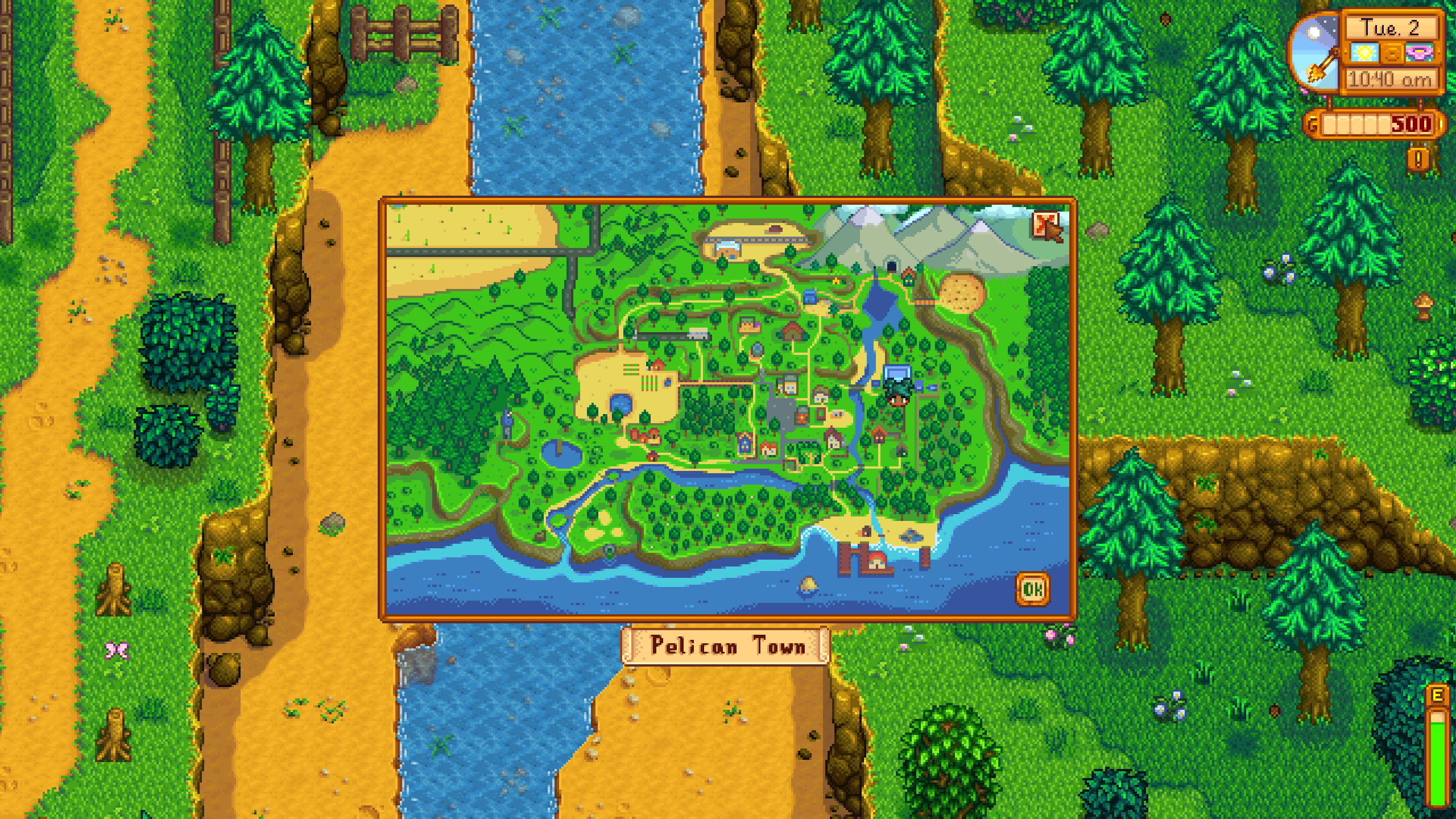
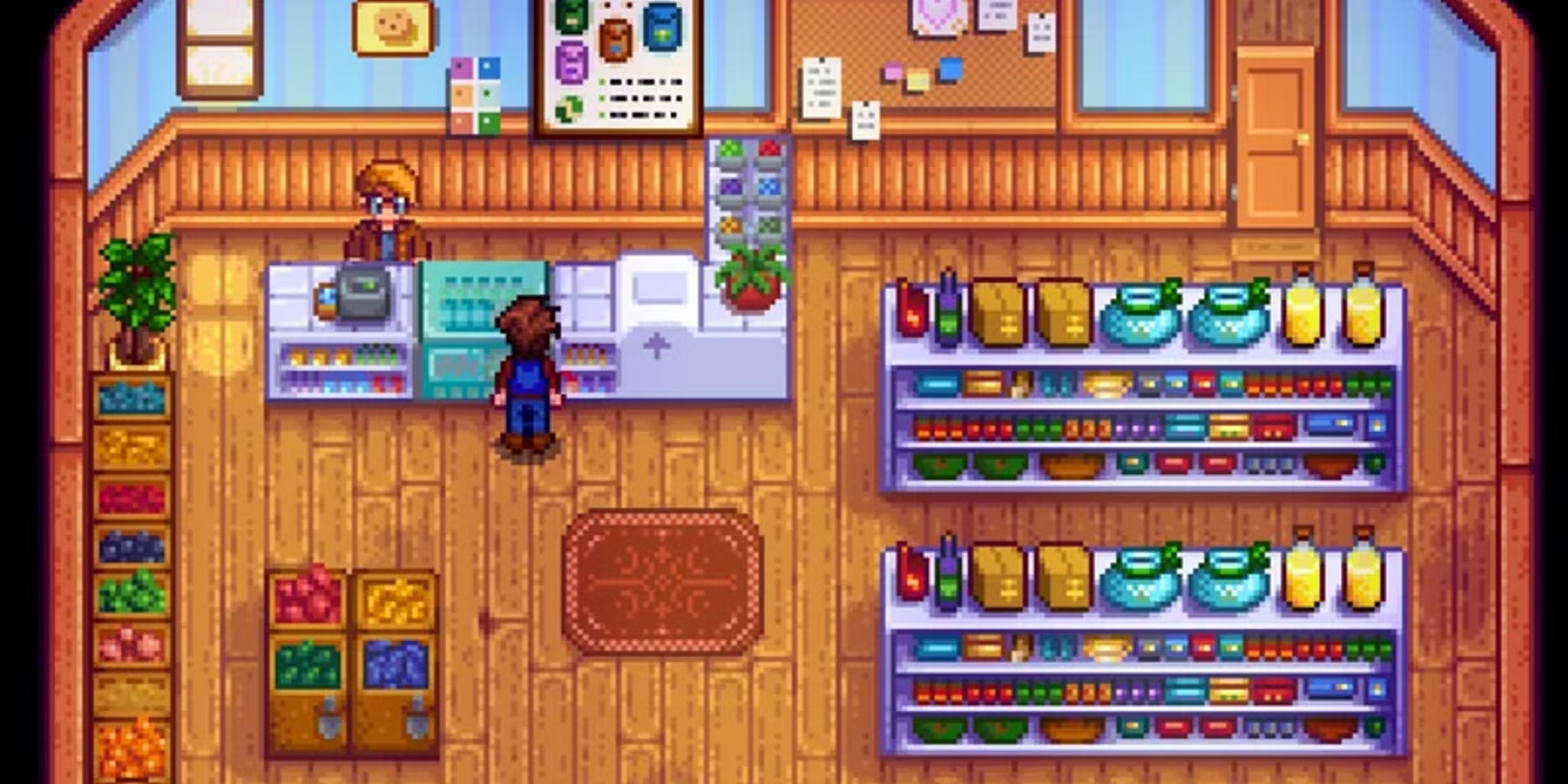
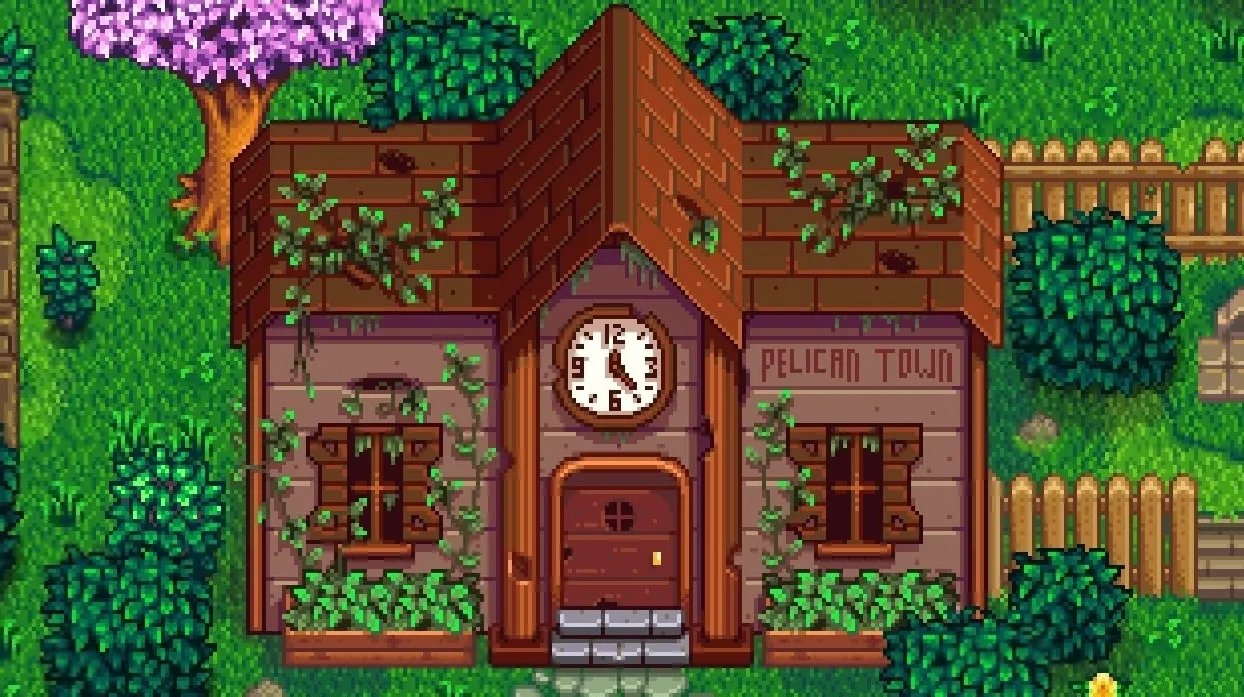
Conclusion
Stardew Valley in 2026 continues to be a rich, immersive experience for beginners and returning players alike. By choosing the right farm, managing your inventory, understanding the calendar, interacting with key locations, and using resources wisely, you can build a thriving farm, forge meaningful relationships, and enjoy all the charm the valley has to offer. Starting slow, planning efficiently, and embracing the daily rhythm of farm life is the key to long-term success and enjoyment.
| Feature | Status |
|---|---|
| Release Date | 26 Feb 2016 |
| Platforms at Launch | PlayStation 5, PlayStation 4, Xbox Series X|S, Nintendo Switch 2, and PC (Steam). |
| Edition | Standard Edition |
| Engine | Microsoft XNA |
| Setting | Pelican Town |
| Protagonist | Farmer |
| Story Type | The story is shaped by the player’s choices and revolves around restoring the valley while building relationships and managing a farm |